The S&P 500 Index: Exploring the Impact of Steel Manufacturing on Abandoned Places
Category : | Sub Category : Posted on 2024-10-05 22:25:23
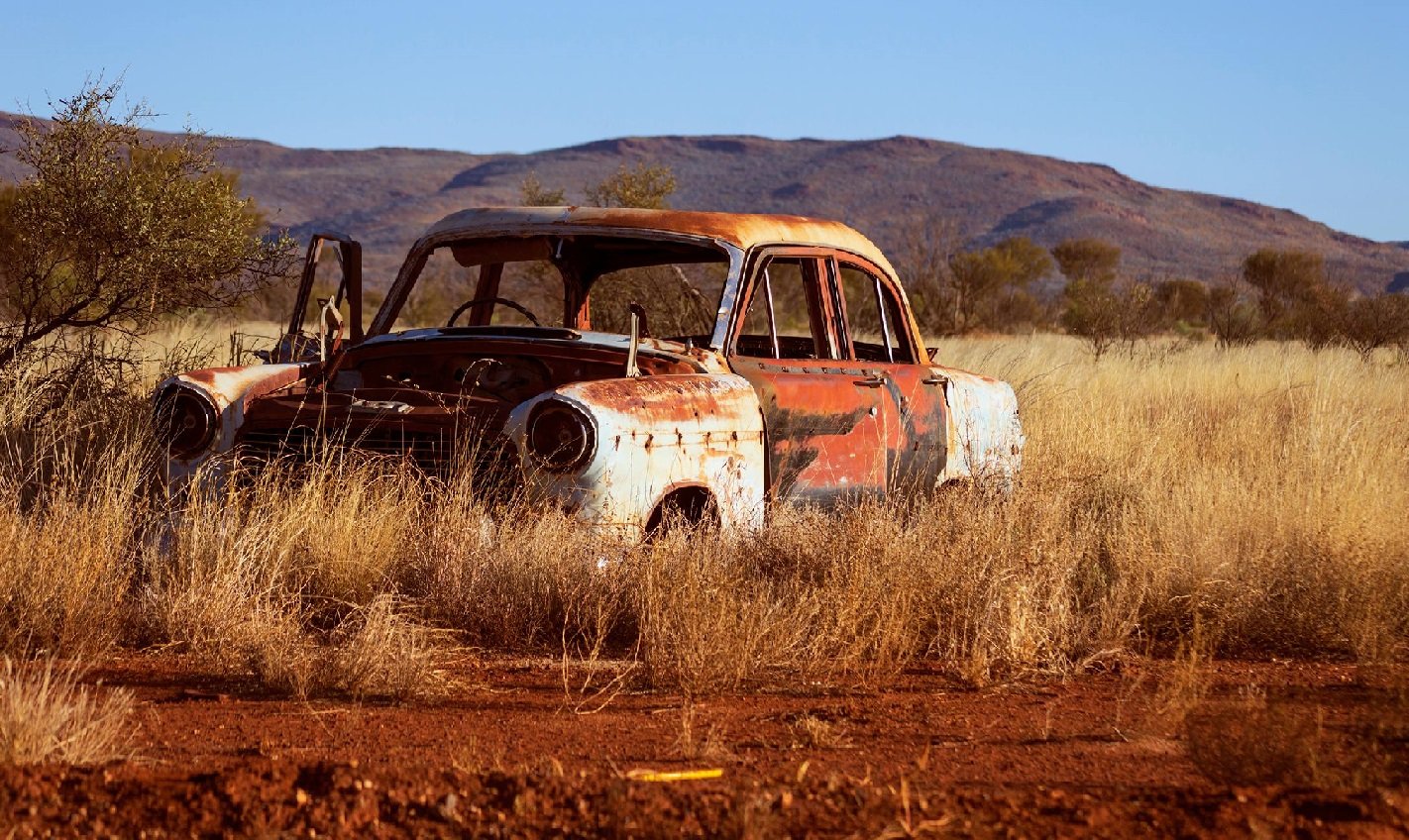
The S&P 500 Index is a well-known stock market index that tracks the performance of 500 large companies listed on stock exchanges in the United States. One industry that has historically had a significant presence in the index is steel manufacturing. Steel has been a crucial material for various sectors, including construction, automotive, and infrastructure development. However, the rise and fall of the steel industry have left a mark on many communities, resulting in the creation of abandoned places that bear witness to a bygone era. Steel manufacturing has played a vital role in the industrial development of many regions, providing jobs and driving economic growth. In the early to mid-20th century, steel mills were bustling hubs of activity, employing thousands of workers and producing massive quantities of steel for domestic and international markets. This period marked a rapid expansion of steel production capacity, with many steel companies becoming household names and major players in the stock market. As the steel industry evolved, changes in technology, market dynamics, and global competition led to the decline of many steel manufacturing facilities. Steel mills that once stood as symbols of industrial prowess became obsolete and unprofitable, forcing companies to shut down operations or relocate to more cost-effective regions. The closure of steel plants had a ripple effect on the communities that relied on them, resulting in job losses, economic downturns, and the abandonment of once vibrant neighborhoods. Abandoned places associated with steel manufacturing tell a story of transition and transformation. Empty factories, derelict warehouses, and decaying infrastructure serve as reminders of a bygone industrial era, sparking curiosity and exploration among urban explorers, historians, and photographers. These abandoned sites also raise questions about environmental impact, safety hazards, and potential redevelopment opportunities for revitalizing neglected spaces. Despite the challenges posed by abandoned steel manufacturing sites, there are efforts to preserve their historical significance and potential for rejuvenation. Some communities have repurposed former steel plants as cultural heritage sites, museums, or mixed-use developments that honor the industrial legacy while embracing new opportunities for growth. By reimagining abandoned places as creative spaces for art, innovation, and community engagement, these initiatives breathe new life into forgotten landscapes and foster a sense of pride in shared industrial heritage. In conclusion, the connection between the S&P 500 Index, steel manufacturing, and abandoned places highlights the complex interplay between economic forces, historical legacies, and urban landscapes. The rise and decline of the steel industry have left a lasting impact on communities, shaping their identity and influencing the built environment. By exploring the stories behind abandoned steel manufacturing sites, we gain insight into the dynamic relationship between industry, society, and place, opening up possibilities for preserving the past and shaping the future.
https://tempering.net
Leave a Comment:
SEARCH
Recent News
- Zurich, Switzerland is a city known for its stunning landscapes, charming streets, and vibrant culture. One of the many delights of visiting Zurich is the opportunity to explore its unique shopping scene. For those looking to add a touch of luxury and warmth to their wardrobe, Zurich is the perfect place to discover exquisite wool stoles.
- Winter in Zurich, Switzerland is a magical time of year when snow-capped mountains, charming Christmas markets, and cozy cafes create a picturesque scene straight out of a fairytale. As the temperatures drop and the city prepares for the festive season, one essential accessory that both locals and visitors alike reach for to stay warm and stylish is a winter stole.
- Zurich, Switzerland: A Haven for Wildlife Conservation
- Zurich, Switzerland, and Vancouver, Canada, are two bustling cities known for their thriving startup scenes. In this blog post, we will take a closer look at some of the top startups making waves in each city.
- Zurich, Switzerland and Vancouver, Canada: A Comparison of Import and Export Opportunities
- Zurich, Switzerland and Vancouver, Canada are two vibrant cities with distinct characteristics that make them stand out in their respective regions. While Zurich is known for its financial prowess and high quality of life, Vancouver is a bustling hub of business and innovation on the west coast of Canada. Let's take a closer look at how these two cities compare in terms of their business environments.
- Zurich, Switzerland and Vancouver, Canada are both vibrant cities known for their strong economies and diverse job markets. In this article, we explore some of the best companies to work for in these two cities, highlighting their unique offerings and what makes them stand out in their respective industries.
- Located in the heart of Switzerland, Zurich is known for its stunning natural beauty, bustling city life, and thriving business environment. The city attracts businesses from all over the world, thanks to its robust infrastructure, highly skilled workforce, and favorable economic policies. For UK businesses looking to expand or set up operations in Zurich, there are a number of government business support programs available to help navigate the process.
READ MORE
7 months ago Category :

Zurich, Switzerland is a city known for its stunning landscapes, charming streets, and vibrant culture. One of the many delights of visiting Zurich is the opportunity to explore its unique shopping scene. For those looking to add a touch of luxury and warmth to their wardrobe, Zurich is the perfect place to discover exquisite wool stoles.
Read More →7 months ago Category :

Winter in Zurich, Switzerland is a magical time of year when snow-capped mountains, charming Christmas markets, and cozy cafes create a picturesque scene straight out of a fairytale. As the temperatures drop and the city prepares for the festive season, one essential accessory that both locals and visitors alike reach for to stay warm and stylish is a winter stole.
Read More →7 months ago Category :

Zurich, Switzerland: A Haven for Wildlife Conservation
Read More →7 months ago Category :
