Exploring the Forgotten: Refugees in Abandoned Places in Slovenia
Category : | Sub Category : Posted on 2024-10-05 22:25:23
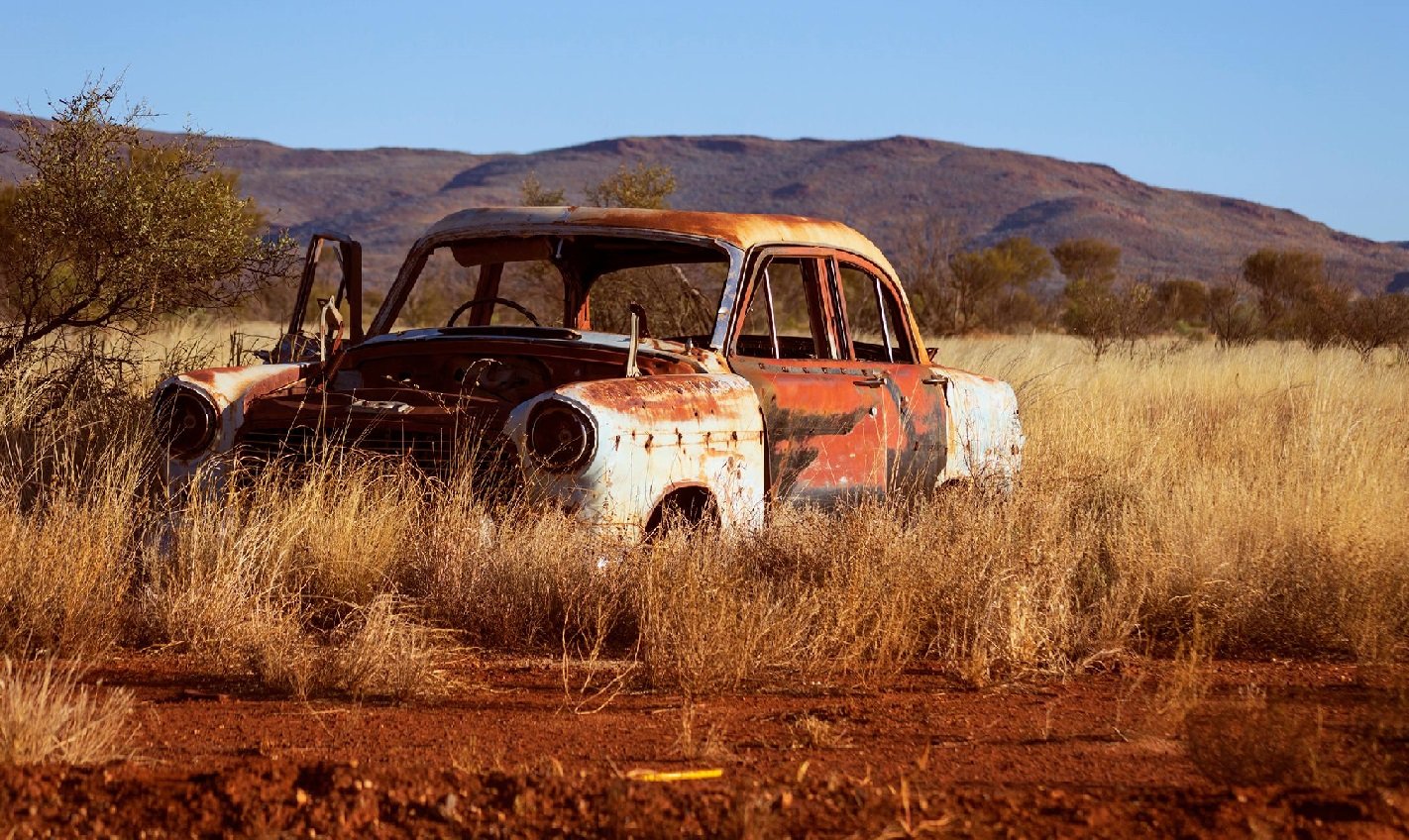
Slovenia, a picturesque country nestled in the heart of Europe, is known for its stunning natural landscapes, charming towns, and rich cultural heritage. However, beneath its serene facade lies a complex and sometimes overlooked issue - the plight of refugees who have sought shelter in abandoned places across the country. As the refugee crisis continues to unfold in various parts of the world, Slovenia has also become a temporary home for many individuals and families fleeing conflict, persecution, and other dire circumstances. Struggling to find proper accommodation and support, some refugees have turned to abandoned buildings, factories, and other deserted locations for shelter. These abandoned places, with their dilapidated walls and broken windows, may not be ideal living conditions, but for many refugees, they offer a sense of security and privacy that is hard to come by elsewhere. From old factories on the outskirts of Ljubljana to derelict farmhouses in rural areas, these forgotten spaces have become makeshift homes for those seeking refuge and safety. Living in abandoned places poses numerous challenges for refugees, including lack of basic amenities such as running water, electricity, and heating. Moreover, the precarious legal status of many refugees in Slovenia means that they often live in constant fear of being discovered and forced to leave their makeshift homes. Despite these hardships, many refugees have shown remarkable resilience and resourcefulness in making the best of their situation. Community organizations and volunteers have also stepped in to provide essential support, including food, clothing, and medical assistance to those living in abandoned places. However, the issue of refugees living in abandoned places in Slovenia is a complex and multifaceted one that requires a coordinated and compassionate response from all stakeholders. Efforts must be made to provide these vulnerable individuals and families with access to safe and dignified housing, as well as opportunities for integration and self-sufficiency. As we acknowledge the humanity and resilience of refugees living in abandoned places in Slovenia, we must also reflect on our collective responsibility to uphold the principles of compassion, solidarity, and respect for human rights. Only through a concerted effort can we create a more inclusive and welcoming society for all, regardless of their circumstances or background.
Leave a Comment:
SEARCH
Recent News
- Zurich, Switzerland is a city known for its stunning landscapes, charming streets, and vibrant culture. One of the many delights of visiting Zurich is the opportunity to explore its unique shopping scene. For those looking to add a touch of luxury and warmth to their wardrobe, Zurich is the perfect place to discover exquisite wool stoles.
- Winter in Zurich, Switzerland is a magical time of year when snow-capped mountains, charming Christmas markets, and cozy cafes create a picturesque scene straight out of a fairytale. As the temperatures drop and the city prepares for the festive season, one essential accessory that both locals and visitors alike reach for to stay warm and stylish is a winter stole.
- Zurich, Switzerland: A Haven for Wildlife Conservation
- Zurich, Switzerland, and Vancouver, Canada, are two bustling cities known for their thriving startup scenes. In this blog post, we will take a closer look at some of the top startups making waves in each city.
- Zurich, Switzerland and Vancouver, Canada: A Comparison of Import and Export Opportunities
- Zurich, Switzerland and Vancouver, Canada are two vibrant cities with distinct characteristics that make them stand out in their respective regions. While Zurich is known for its financial prowess and high quality of life, Vancouver is a bustling hub of business and innovation on the west coast of Canada. Let's take a closer look at how these two cities compare in terms of their business environments.
- Zurich, Switzerland and Vancouver, Canada are both vibrant cities known for their strong economies and diverse job markets. In this article, we explore some of the best companies to work for in these two cities, highlighting their unique offerings and what makes them stand out in their respective industries.
- Located in the heart of Switzerland, Zurich is known for its stunning natural beauty, bustling city life, and thriving business environment. The city attracts businesses from all over the world, thanks to its robust infrastructure, highly skilled workforce, and favorable economic policies. For UK businesses looking to expand or set up operations in Zurich, there are a number of government business support programs available to help navigate the process.
READ MORE
7 months ago Category :

Zurich, Switzerland is a city known for its stunning landscapes, charming streets, and vibrant culture. One of the many delights of visiting Zurich is the opportunity to explore its unique shopping scene. For those looking to add a touch of luxury and warmth to their wardrobe, Zurich is the perfect place to discover exquisite wool stoles.
Read More →7 months ago Category :

Winter in Zurich, Switzerland is a magical time of year when snow-capped mountains, charming Christmas markets, and cozy cafes create a picturesque scene straight out of a fairytale. As the temperatures drop and the city prepares for the festive season, one essential accessory that both locals and visitors alike reach for to stay warm and stylish is a winter stole.
Read More →7 months ago Category :

Zurich, Switzerland: A Haven for Wildlife Conservation
Read More →7 months ago Category :
