From Exceptional Technologies in Steel Manufacturing to Reviving Abandoned Places
Category : | Sub Category : Posted on 2024-10-05 22:25:23
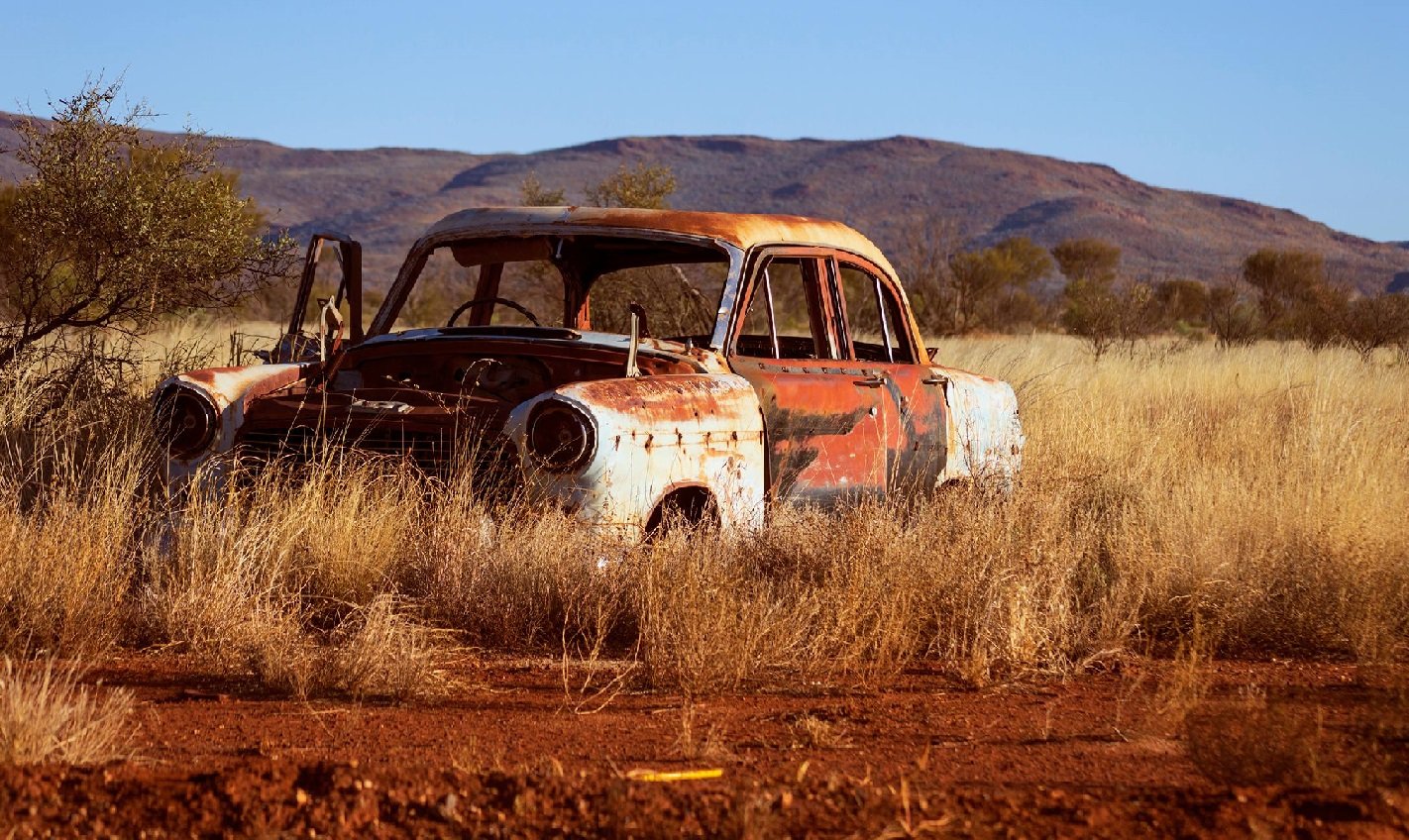
In the realm of steel manufacturing, advancements in technology have always played a significant role in shaping the industry. From the innovation of exceptional technologies to the production of high-quality steel products, this sector continues to evolve and thrive. However, with changing market demands and environmental concerns, some steel manufacturing facilities have been abandoned, leaving behind vast industrial landscapes that have the potential for revitalization. One of the exceptional technologies revolutionizing steel manufacturing today is electric arc furnaces (EAFs). EAFs have become increasingly popular in the industry due to their energy efficiency and lower carbon footprint compared to traditional blast furnaces. These furnaces use electricity to melt scrap steel and other raw materials, resulting in higher-quality steel products that are in high demand across various industries. The adoption of Industry 4.0 technologies, such as artificial intelligence, robotics, and automation, has also transformed the steel manufacturing process. These technologies enable steel plants to operate more efficiently, improve product quality, and enhance worker safety. By harnessing the power of data analytics and real-time monitoring, steel manufacturers can optimize their operations and make informed decisions to stay competitive in a rapidly changing global market. While exceptional technologies have propelled the steel manufacturing industry forward, there are also abandoned steel plants and industrial sites that have been left vacant for various reasons. These abandoned places pose environmental and economic challenges, but they also present opportunities for revitalization and redevelopment. In recent years, there has been a growing interest in repurposing abandoned steel manufacturing facilities into mixed-use developments, green spaces, and cultural hubs. By transforming these derelict sites into vibrant community spaces, cities can preserve their industrial heritage while creating new opportunities for job creation, economic growth, and sustainable development. One example of successful industrial site redevelopment is the transformation of the SteelStacks campus in Bethlehem, Pennsylvania. Once home to the Bethlehem Steel Corporation, one of the largest steel producers in the United States, the site is now a cultural and entertainment complex that attracts visitors from near and far. By preserving the industrial heritage of the site and integrating modern amenities, SteelStacks has become a thriving hub of creativity and innovation. In conclusion, the synergy between exceptional technologies in steel manufacturing and the revitalization of abandoned industrial sites showcases the dynamic nature of the industry. By embracing innovation and sustainable practices, steel manufacturers can continue to produce high-quality products while contributing to the regeneration of abandoned places. It is through this balance of progress and preservation that the steel manufacturing sector can thrive in a rapidly changing world.
https://tempering.net
Leave a Comment:
SEARCH
Recent News
- Zurich, Switzerland is a city known for its stunning landscapes, charming streets, and vibrant culture. One of the many delights of visiting Zurich is the opportunity to explore its unique shopping scene. For those looking to add a touch of luxury and warmth to their wardrobe, Zurich is the perfect place to discover exquisite wool stoles.
- Winter in Zurich, Switzerland is a magical time of year when snow-capped mountains, charming Christmas markets, and cozy cafes create a picturesque scene straight out of a fairytale. As the temperatures drop and the city prepares for the festive season, one essential accessory that both locals and visitors alike reach for to stay warm and stylish is a winter stole.
- Zurich, Switzerland: A Haven for Wildlife Conservation
- Zurich, Switzerland, and Vancouver, Canada, are two bustling cities known for their thriving startup scenes. In this blog post, we will take a closer look at some of the top startups making waves in each city.
- Zurich, Switzerland and Vancouver, Canada: A Comparison of Import and Export Opportunities
- Zurich, Switzerland and Vancouver, Canada are two vibrant cities with distinct characteristics that make them stand out in their respective regions. While Zurich is known for its financial prowess and high quality of life, Vancouver is a bustling hub of business and innovation on the west coast of Canada. Let's take a closer look at how these two cities compare in terms of their business environments.
- Zurich, Switzerland and Vancouver, Canada are both vibrant cities known for their strong economies and diverse job markets. In this article, we explore some of the best companies to work for in these two cities, highlighting their unique offerings and what makes them stand out in their respective industries.
- Located in the heart of Switzerland, Zurich is known for its stunning natural beauty, bustling city life, and thriving business environment. The city attracts businesses from all over the world, thanks to its robust infrastructure, highly skilled workforce, and favorable economic policies. For UK businesses looking to expand or set up operations in Zurich, there are a number of government business support programs available to help navigate the process.
READ MORE
6 months ago Category :

Zurich, Switzerland is a city known for its stunning landscapes, charming streets, and vibrant culture. One of the many delights of visiting Zurich is the opportunity to explore its unique shopping scene. For those looking to add a touch of luxury and warmth to their wardrobe, Zurich is the perfect place to discover exquisite wool stoles.
Read More →6 months ago Category :

Winter in Zurich, Switzerland is a magical time of year when snow-capped mountains, charming Christmas markets, and cozy cafes create a picturesque scene straight out of a fairytale. As the temperatures drop and the city prepares for the festive season, one essential accessory that both locals and visitors alike reach for to stay warm and stylish is a winter stole.
Read More →6 months ago Category :

Zurich, Switzerland: A Haven for Wildlife Conservation
Read More →6 months ago Category :
