Deepfakes in Abandoned Places: Exploring the Legal and Regulatory Landscape
Category : | Sub Category : Posted on 2024-10-05 22:25:23
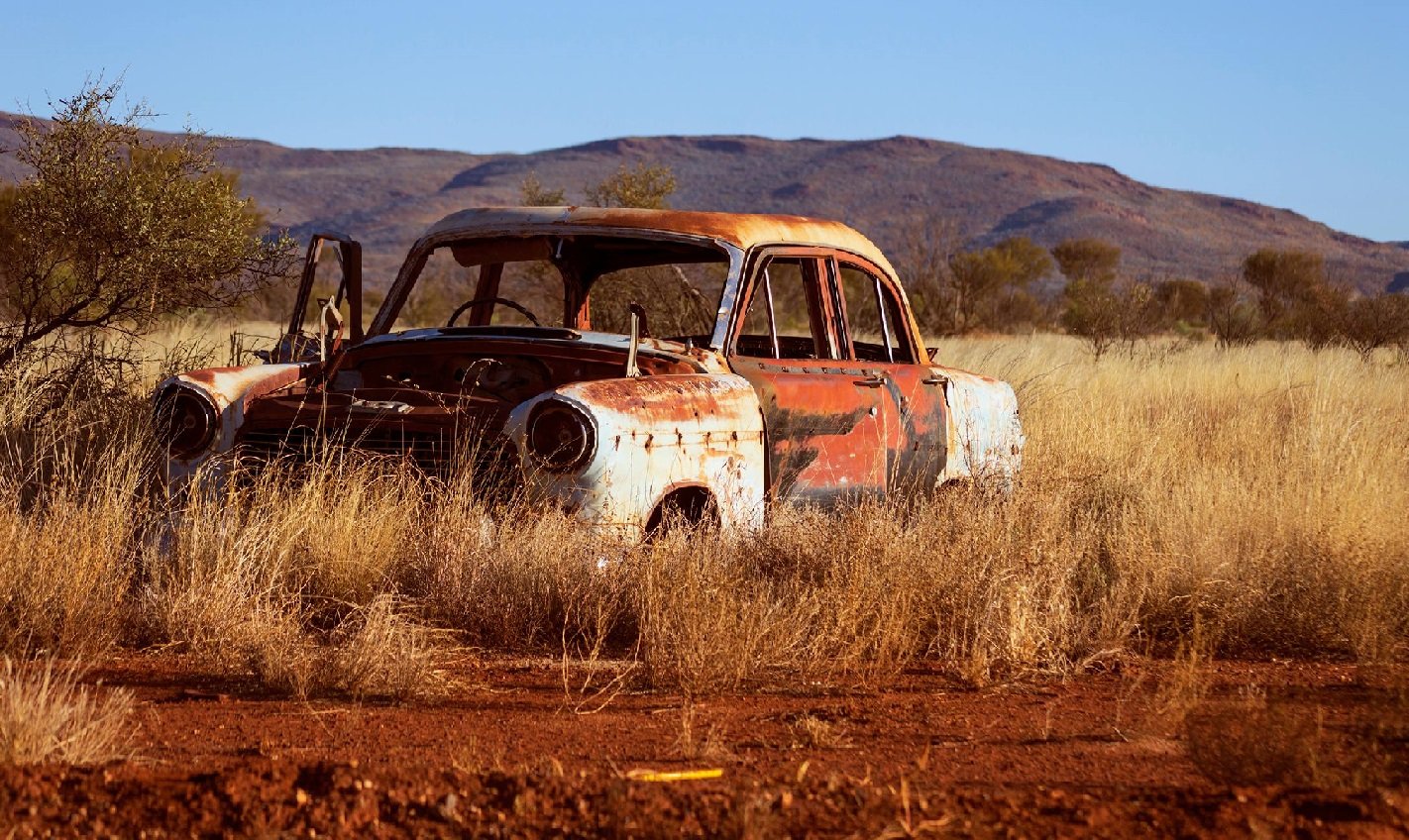
In recent years, the phenomenon of deepfakes has taken the world by storm, with AI technology allowing for the creation of hyper-realistic videos and images that can convincingly depict people saying or doing things that never actually happened. While this technology has numerous implications across various industries and contexts, one particularly intriguing area where deepfakes have surfaced is in the realm of abandoned places. Abandoned places, such as old buildings, factories, and ghost towns, have long been popular destinations for urban explorers and photographers seeking to capture the eerie beauty of these forgotten spaces. However, the rise of deepfakes has added a new layer of complexity to the exploration of abandoned places, with creators using this technology to manipulate and fabricate content related to these locations. From fake ghost sightings to staged paranormal encounters, deepfakes have the potential to distort the reality of abandoned places and mislead viewers about the true history and nature of these sites. This raises significant ethical and legal questions about the use of deepfakes in relation to abandoned places and the need for regulation to prevent the spread of misleading or harmful content. In terms of the legal landscape, the use of deepfakes in abandoned places can potentially cross into the territory of intellectual property rights, defamation, and privacy laws. For example, if a deepfake video falsely portrays a historical figure or celebrity exploring an abandoned building, this could raise issues of misappropriation of likeness and intellectual property infringement. Moreover, if a deepfake video fabricates a damaging or defamatory situation within an abandoned place, the individuals or entities depicted could potentially pursue legal action for defamation or intentional infliction of emotional distress. Additionally, the use of deepfakes to create fake paranormal encounters in abandoned places could mislead viewers and have negative consequences for the reputation and preservation of these locations. In light of these concerns, there is a growing call for regulatory measures to address the use of deepfakes in abandoned places and ensure that content creators operate within ethical and legal boundaries. This could involve the development of guidelines or industry standards for the responsible use of deepfakes, as well as enhanced enforcement of existing laws related to intellectual property, defamation, and privacy. Ultimately, the intersection of deepfakes and abandoned places presents a fascinating and complex landscape that requires careful consideration of the ethical, legal, and regulatory implications. As the technology continues to advance and evolve, it is crucial for stakeholders to collaborate and engage in dialogue to establish standards that safeguard the integrity and authenticity of abandoned places in the digital age.
https://vollmacht.org
Leave a Comment:
SEARCH
Recent News
- Zurich, Switzerland is a city known for its stunning landscapes, charming streets, and vibrant culture. One of the many delights of visiting Zurich is the opportunity to explore its unique shopping scene. For those looking to add a touch of luxury and warmth to their wardrobe, Zurich is the perfect place to discover exquisite wool stoles.
- Winter in Zurich, Switzerland is a magical time of year when snow-capped mountains, charming Christmas markets, and cozy cafes create a picturesque scene straight out of a fairytale. As the temperatures drop and the city prepares for the festive season, one essential accessory that both locals and visitors alike reach for to stay warm and stylish is a winter stole.
- Zurich, Switzerland: A Haven for Wildlife Conservation
- Zurich, Switzerland, and Vancouver, Canada, are two bustling cities known for their thriving startup scenes. In this blog post, we will take a closer look at some of the top startups making waves in each city.
- Zurich, Switzerland and Vancouver, Canada: A Comparison of Import and Export Opportunities
- Zurich, Switzerland and Vancouver, Canada are two vibrant cities with distinct characteristics that make them stand out in their respective regions. While Zurich is known for its financial prowess and high quality of life, Vancouver is a bustling hub of business and innovation on the west coast of Canada. Let's take a closer look at how these two cities compare in terms of their business environments.
- Zurich, Switzerland and Vancouver, Canada are both vibrant cities known for their strong economies and diverse job markets. In this article, we explore some of the best companies to work for in these two cities, highlighting their unique offerings and what makes them stand out in their respective industries.
- Located in the heart of Switzerland, Zurich is known for its stunning natural beauty, bustling city life, and thriving business environment. The city attracts businesses from all over the world, thanks to its robust infrastructure, highly skilled workforce, and favorable economic policies. For UK businesses looking to expand or set up operations in Zurich, there are a number of government business support programs available to help navigate the process.
READ MORE
7 months ago Category :

Zurich, Switzerland is a city known for its stunning landscapes, charming streets, and vibrant culture. One of the many delights of visiting Zurich is the opportunity to explore its unique shopping scene. For those looking to add a touch of luxury and warmth to their wardrobe, Zurich is the perfect place to discover exquisite wool stoles.
Read More →7 months ago Category :

Winter in Zurich, Switzerland is a magical time of year when snow-capped mountains, charming Christmas markets, and cozy cafes create a picturesque scene straight out of a fairytale. As the temperatures drop and the city prepares for the festive season, one essential accessory that both locals and visitors alike reach for to stay warm and stylish is a winter stole.
Read More →7 months ago Category :

Zurich, Switzerland: A Haven for Wildlife Conservation
Read More →7 months ago Category :
