Exploring the Impact of Deepfake in the Context of Abandoned Places and Indonesia's Business Regulations
Category : | Sub Category : Posted on 2024-10-05 22:25:23
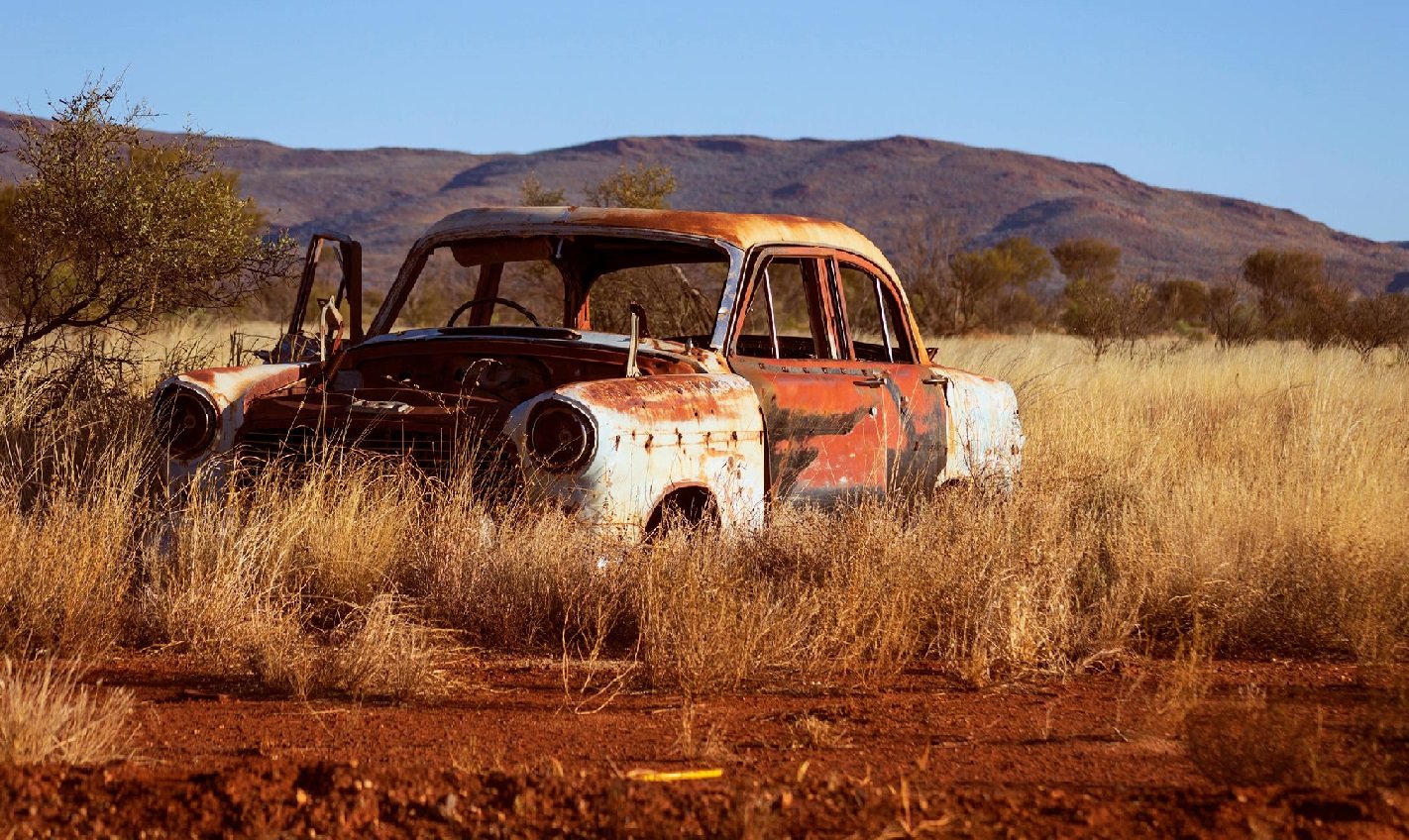
In recent years, deepfake technology has garnered significant attention for its ability to create hyper-realistic videos and images that can deceive even the most discerning viewer. While the technology has been predominantly used for entertainment purposes, its implications on various aspects of society, such as abandoned places and business regulations in Indonesia, are worth exploring. Abandoned places hold a certain allure for urban explorers, photographers, and curious individuals. These sites often serve as reminders of a bygone era, invoking a sense of mystery and nostalgia. However, the rise of deepfake technology raises concerns about the authenticity of content featuring abandoned places. With the ability to manipulate images and videos seamlessly, deepfakes could be used to fabricate false narratives about these locations, misleading viewers and potentially altering the historical record. In the context of Indonesia's business regulations, deepfake technology could pose serious challenges for companies and regulatory bodies alike. As businesses strive to comply with evolving regulations and maintain transparency in their operations, the threat of deepfake manipulation looms large. False information disseminated through deepfake videos could tarnish a company's reputation, manipulate stock prices, or even disrupt critical business processes. Moreover, the Indonesian government faces the daunting task of regulating deepfake technology within its borders. As the technology becomes more sophisticated and accessible, policymakers must grapple with the ethical and legal implications of its use. Striking a balance between fostering innovation and protecting public trust will be crucial in shaping Indonesia's approach to deepfake regulation. To address these challenges, stakeholders across various sectors must work together to develop mechanisms for detecting and mitigating deepfake content. Investing in AI-driven tools that can identify and flag suspicious media is a crucial step in combating the spread of misinformation. Additionally, fostering media literacy and critical thinking skills among the public can help individuals discern between real and manipulated content. In conclusion, the intersection of deepfake technology, abandoned places, and Indonesia's business regulations underscores the need for proactive measures to safeguard authenticity and integrity in the digital realm. By staying informed, vigilant, and collaborative, we can navigate the complex landscape of deepfakes and leverage technology responsibly for the benefit of society.
https://continuar.org
Leave a Comment:
SEARCH
Recent News
- Zurich, Switzerland is a city known for its stunning landscapes, charming streets, and vibrant culture. One of the many delights of visiting Zurich is the opportunity to explore its unique shopping scene. For those looking to add a touch of luxury and warmth to their wardrobe, Zurich is the perfect place to discover exquisite wool stoles.
- Winter in Zurich, Switzerland is a magical time of year when snow-capped mountains, charming Christmas markets, and cozy cafes create a picturesque scene straight out of a fairytale. As the temperatures drop and the city prepares for the festive season, one essential accessory that both locals and visitors alike reach for to stay warm and stylish is a winter stole.
- Zurich, Switzerland: A Haven for Wildlife Conservation
- Zurich, Switzerland, and Vancouver, Canada, are two bustling cities known for their thriving startup scenes. In this blog post, we will take a closer look at some of the top startups making waves in each city.
- Zurich, Switzerland and Vancouver, Canada: A Comparison of Import and Export Opportunities
- Zurich, Switzerland and Vancouver, Canada are two vibrant cities with distinct characteristics that make them stand out in their respective regions. While Zurich is known for its financial prowess and high quality of life, Vancouver is a bustling hub of business and innovation on the west coast of Canada. Let's take a closer look at how these two cities compare in terms of their business environments.
- Zurich, Switzerland and Vancouver, Canada are both vibrant cities known for their strong economies and diverse job markets. In this article, we explore some of the best companies to work for in these two cities, highlighting their unique offerings and what makes them stand out in their respective industries.
- Located in the heart of Switzerland, Zurich is known for its stunning natural beauty, bustling city life, and thriving business environment. The city attracts businesses from all over the world, thanks to its robust infrastructure, highly skilled workforce, and favorable economic policies. For UK businesses looking to expand or set up operations in Zurich, there are a number of government business support programs available to help navigate the process.
READ MORE
7 months ago Category :

Zurich, Switzerland is a city known for its stunning landscapes, charming streets, and vibrant culture. One of the many delights of visiting Zurich is the opportunity to explore its unique shopping scene. For those looking to add a touch of luxury and warmth to their wardrobe, Zurich is the perfect place to discover exquisite wool stoles.
Read More →7 months ago Category :

Winter in Zurich, Switzerland is a magical time of year when snow-capped mountains, charming Christmas markets, and cozy cafes create a picturesque scene straight out of a fairytale. As the temperatures drop and the city prepares for the festive season, one essential accessory that both locals and visitors alike reach for to stay warm and stylish is a winter stole.
Read More →7 months ago Category :

Zurich, Switzerland: A Haven for Wildlife Conservation
Read More →7 months ago Category :
