**Exploring the Rise of Deepfakes in Portraying Abandoned Places in Indonesia and Its Impact on Business Companies**
Category : | Sub Category : Posted on 2024-10-05 22:25:23
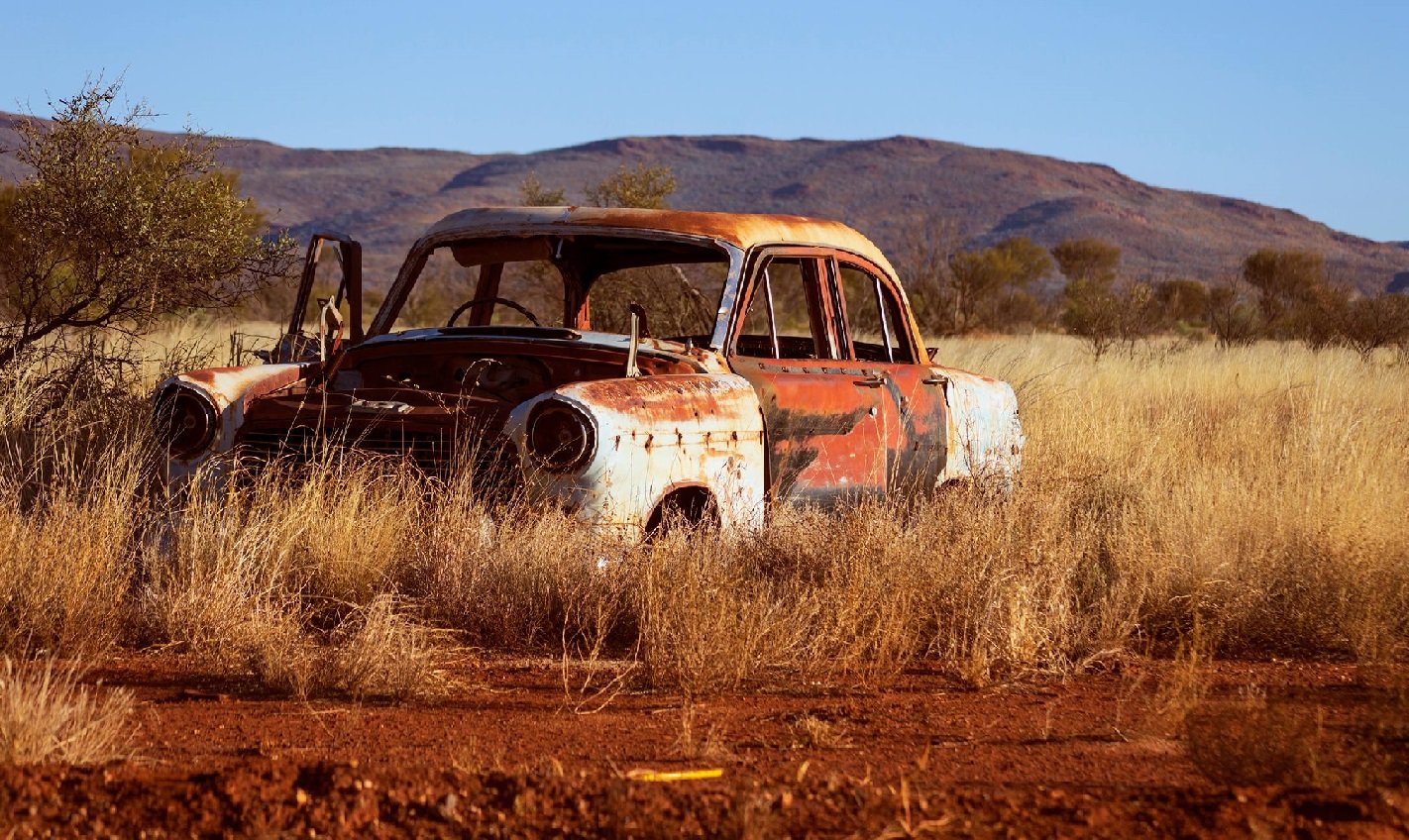
In recent years, the rise of deepfake technology has been revolutionizing the way we interact with digital media. Deepfakes are synthetic media in which a person in an existing image or video is replaced with someone else's likeness using artificial intelligence technology. While deepfakes have raised concerns about misinformation and privacy, they have also found a place in creative industries, including the depiction of abandoned places in countries like Indonesia. Indonesia is home to a rich tapestry of abandoned places that offer a glimpse into the country's history and culture. From dilapidated colonial buildings to deserted amusement parks, these locations have become popular subjects for photographers and urban explorers seeking to capture their haunting beauty. However, with the advent of deepfake technology, these abandoned places can now be brought to life in ways previously unimaginable. Deepfakes allow creators to superimpose realistic animations onto still images or videos of abandoned places, creating immersive experiences that transport viewers into a virtual world. By enhancing the visual appeal of these locations, deepfakes can attract a wider audience and generate increased interest in Indonesian tourism and heritage preservation efforts. Moreover, the use of deepfakes in portraying abandoned places can also have a significant impact on businesses, particularly in the tourism and entertainment sectors. Indonesian companies can leverage deepfake technology to create innovative marketing campaigns that showcase their products or services in the context of these mesmerizing locations. By tapping into the emotional resonance of abandoned places, businesses can connect with consumers on a deeper level and differentiate themselves in a competitive marketplace. However, as with any emerging technology, the widespread use of deepfakes in portraying abandoned places also raises ethical considerations. It is crucial for creators and businesses to be transparent about the use of deepfake technology and ensure that the content produced does not perpetuate harmful stereotypes or mislead audiences. In conclusion, the intersection of deepfake technology, abandoned places in Indonesia, and business companies presents a unique opportunity for creativity and innovation. By harnessing the power of deepfakes responsibly, creators and businesses can create compelling narratives that captivate audiences and drive positive change in the digital landscape. As deepfake technology continues to evolve, we can expect to see even more exciting applications in the portrayal of abandoned places and beyond.
https://continuar.org
Leave a Comment:
SEARCH
Recent News
- Zurich, Switzerland is a city known for its stunning landscapes, charming streets, and vibrant culture. One of the many delights of visiting Zurich is the opportunity to explore its unique shopping scene. For those looking to add a touch of luxury and warmth to their wardrobe, Zurich is the perfect place to discover exquisite wool stoles.
- Winter in Zurich, Switzerland is a magical time of year when snow-capped mountains, charming Christmas markets, and cozy cafes create a picturesque scene straight out of a fairytale. As the temperatures drop and the city prepares for the festive season, one essential accessory that both locals and visitors alike reach for to stay warm and stylish is a winter stole.
- Zurich, Switzerland: A Haven for Wildlife Conservation
- Zurich, Switzerland, and Vancouver, Canada, are two bustling cities known for their thriving startup scenes. In this blog post, we will take a closer look at some of the top startups making waves in each city.
- Zurich, Switzerland and Vancouver, Canada: A Comparison of Import and Export Opportunities
- Zurich, Switzerland and Vancouver, Canada are two vibrant cities with distinct characteristics that make them stand out in their respective regions. While Zurich is known for its financial prowess and high quality of life, Vancouver is a bustling hub of business and innovation on the west coast of Canada. Let's take a closer look at how these two cities compare in terms of their business environments.
- Zurich, Switzerland and Vancouver, Canada are both vibrant cities known for their strong economies and diverse job markets. In this article, we explore some of the best companies to work for in these two cities, highlighting their unique offerings and what makes them stand out in their respective industries.
- Located in the heart of Switzerland, Zurich is known for its stunning natural beauty, bustling city life, and thriving business environment. The city attracts businesses from all over the world, thanks to its robust infrastructure, highly skilled workforce, and favorable economic policies. For UK businesses looking to expand or set up operations in Zurich, there are a number of government business support programs available to help navigate the process.
READ MORE
7 months ago Category :

Zurich, Switzerland is a city known for its stunning landscapes, charming streets, and vibrant culture. One of the many delights of visiting Zurich is the opportunity to explore its unique shopping scene. For those looking to add a touch of luxury and warmth to their wardrobe, Zurich is the perfect place to discover exquisite wool stoles.
Read More →7 months ago Category :

Winter in Zurich, Switzerland is a magical time of year when snow-capped mountains, charming Christmas markets, and cozy cafes create a picturesque scene straight out of a fairytale. As the temperatures drop and the city prepares for the festive season, one essential accessory that both locals and visitors alike reach for to stay warm and stylish is a winter stole.
Read More →7 months ago Category :

Zurich, Switzerland: A Haven for Wildlife Conservation
Read More →7 months ago Category :
