The Rise of Deepfake Technology: Implications for Diplomacy and Exploring Abandoned Places
Category : | Sub Category : Posted on 2024-10-05 22:25:23
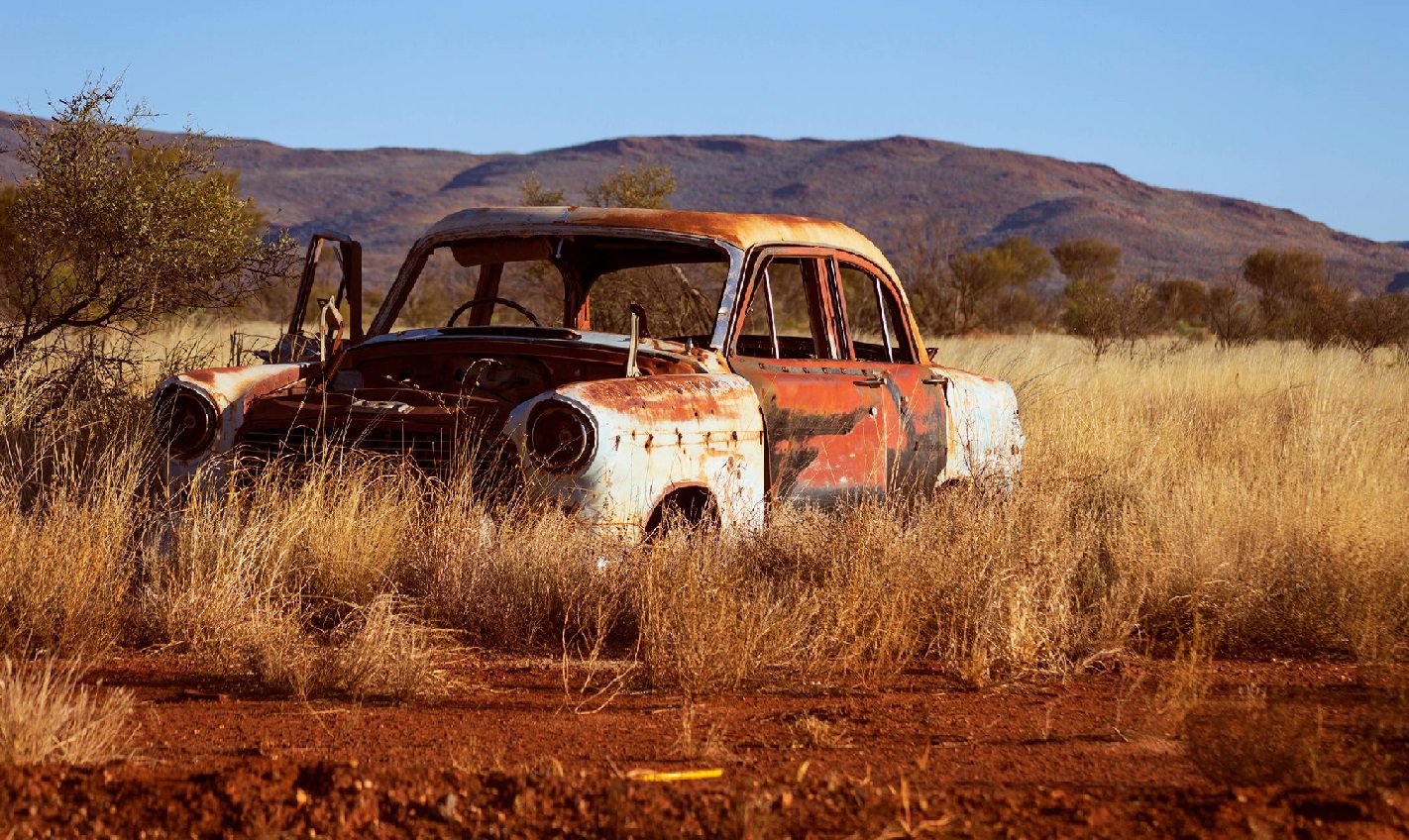
In recent years, the rise of deepfake technology has sparked both fascination and concern among individuals and organizations around the world. This advanced form of artificial intelligence allows for the manipulation of audio and video content to create hyper-realistic simulations of events that never actually occurred. While deepfakes have been predominantly associated with misinformation and disinformation campaigns, the technology also has broader implications for fields such as diplomacy and urban exploration. In this blog post, we will delve into the intersection of deepfake technology, abandoned places, and diplomacy, exploring the potential risks and opportunities that arise from this convergence. Abandoned places have long held a unique allure for urban explorers and historians alike, offering a glimpse into the past and stirring the imagination with tales of forgotten glory. From abandoned hospitals to derelict factories, these spaces are rich with history and mystery, providing a canvas for creative storytelling and immersive experiences. However, with the advent of deepfake technology, the line between reality and fiction in these abandoned spaces is becoming increasingly blurred. Imagine a deepfake video depicting a fictional scenario within an abandoned asylum, where actors convincingly portray a haunting narrative that never actually unfolded within those walls. While such content could enhance the storytelling aspect of urban exploration, it also raises ethical concerns regarding the authenticity of experiences in these spaces. How can we ensure that the stories we engage with in abandoned places are based on factual accounts rather than fabricated narratives? Moreover, the implications of deepfake technology extend beyond urban exploration and into the realm of diplomacy. As governments and international organizations rely on digital communication platforms to conduct their affairs, the potential for deepfake videos to disrupt diplomatic relations and sow discord is a pressing concern. A doctored video of a world leader making inflammatory remarks could easily spark a diplomatic crisis, leading to mistrust and hostility between nations. On the other hand, deepfake technology could also be leveraged as a tool for diplomacy, offering a creative platform for exploring alternative scenarios and fostering dialogue between conflicting parties. By using deepfake simulations to envision peaceful resolutions to diplomatic conflicts, stakeholders could gain valuable insights and develop innovative strategies for conflict resolution. In conclusion, the convergence of deepfake technology, abandoned places, and diplomacy presents a complex landscape of possibilities and challenges. While the rise of deepfakes raises legitimate concerns about authenticity and trust in our digital world, it also offers opportunities for creativity, exploration, and diplomatic engagement. As we navigate this rapidly evolving technological landscape, it is essential to remain vigilant, informed, and ethical in our interactions with deepfake content. By approaching this technology with a critical eye and a sense of responsibility, we can harness its potential for positive change and innovation in various fields.
Leave a Comment:
SEARCH
Recent News
- Zurich, Switzerland is a city known for its stunning landscapes, charming streets, and vibrant culture. One of the many delights of visiting Zurich is the opportunity to explore its unique shopping scene. For those looking to add a touch of luxury and warmth to their wardrobe, Zurich is the perfect place to discover exquisite wool stoles.
- Winter in Zurich, Switzerland is a magical time of year when snow-capped mountains, charming Christmas markets, and cozy cafes create a picturesque scene straight out of a fairytale. As the temperatures drop and the city prepares for the festive season, one essential accessory that both locals and visitors alike reach for to stay warm and stylish is a winter stole.
- Zurich, Switzerland: A Haven for Wildlife Conservation
- Zurich, Switzerland, and Vancouver, Canada, are two bustling cities known for their thriving startup scenes. In this blog post, we will take a closer look at some of the top startups making waves in each city.
- Zurich, Switzerland and Vancouver, Canada: A Comparison of Import and Export Opportunities
- Zurich, Switzerland and Vancouver, Canada are two vibrant cities with distinct characteristics that make them stand out in their respective regions. While Zurich is known for its financial prowess and high quality of life, Vancouver is a bustling hub of business and innovation on the west coast of Canada. Let's take a closer look at how these two cities compare in terms of their business environments.
- Zurich, Switzerland and Vancouver, Canada are both vibrant cities known for their strong economies and diverse job markets. In this article, we explore some of the best companies to work for in these two cities, highlighting their unique offerings and what makes them stand out in their respective industries.
- Located in the heart of Switzerland, Zurich is known for its stunning natural beauty, bustling city life, and thriving business environment. The city attracts businesses from all over the world, thanks to its robust infrastructure, highly skilled workforce, and favorable economic policies. For UK businesses looking to expand or set up operations in Zurich, there are a number of government business support programs available to help navigate the process.
READ MORE
7 months ago Category :

Zurich, Switzerland is a city known for its stunning landscapes, charming streets, and vibrant culture. One of the many delights of visiting Zurich is the opportunity to explore its unique shopping scene. For those looking to add a touch of luxury and warmth to their wardrobe, Zurich is the perfect place to discover exquisite wool stoles.
Read More →7 months ago Category :

Winter in Zurich, Switzerland is a magical time of year when snow-capped mountains, charming Christmas markets, and cozy cafes create a picturesque scene straight out of a fairytale. As the temperatures drop and the city prepares for the festive season, one essential accessory that both locals and visitors alike reach for to stay warm and stylish is a winter stole.
Read More →7 months ago Category :

Zurich, Switzerland: A Haven for Wildlife Conservation
Read More →7 months ago Category :
