**Exploring the Legal Compliance Challenges in Steel Manufacturing for Abandoned Places**
Category : | Sub Category : Posted on 2024-10-05 22:25:23
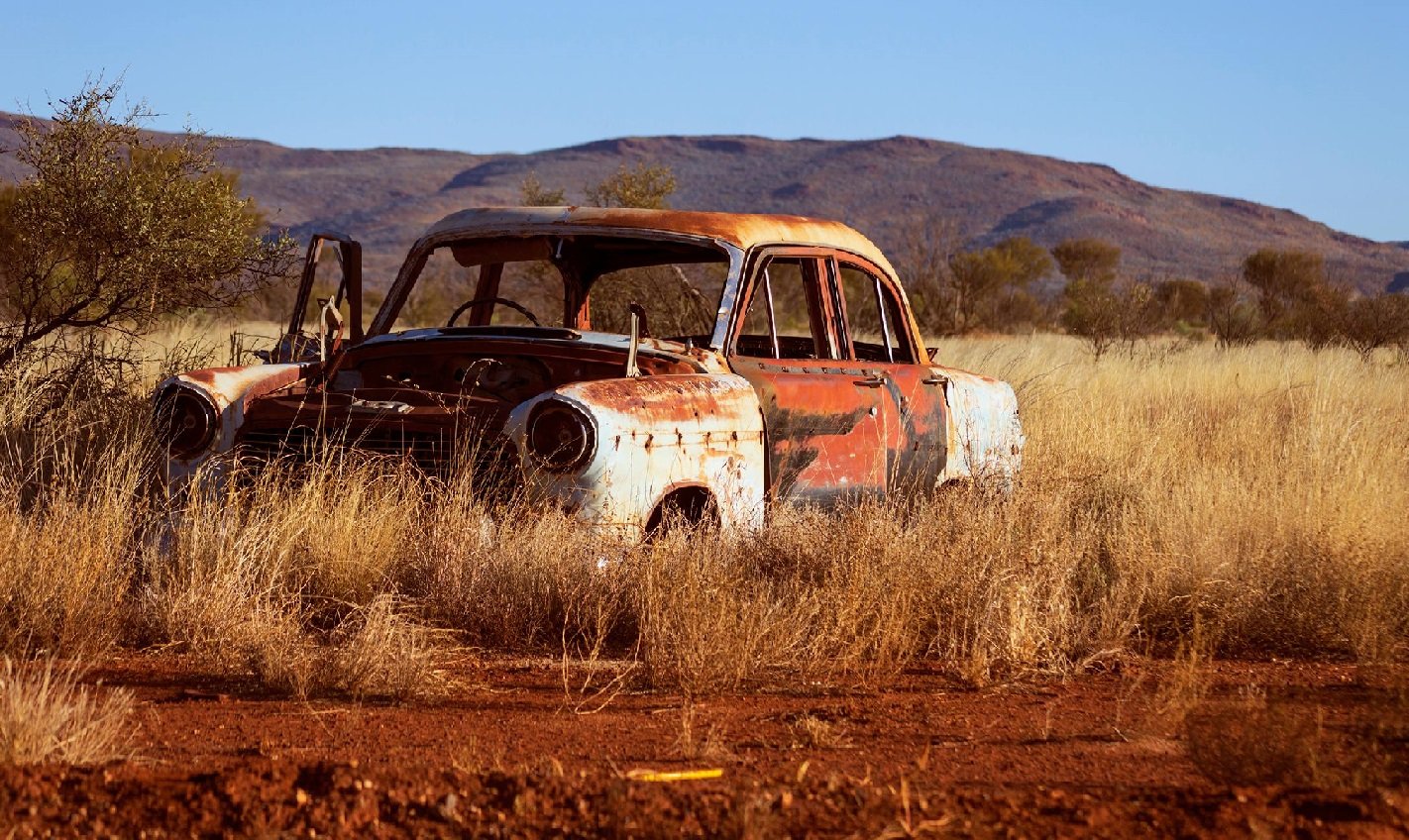
Steel manufacturing is a crucial industry that forms the backbone of many economies around the world. However, as with any industrial sector, steel manufacturing comes with its own set of legal compliance challenges, especially when it comes to operating in abandoned places. In this blog post, we will delve into the legal landscape surrounding steel manufacturing in abandoned locations and the unique considerations that companies in this industry must keep in mind. **Regulatory Compliance** One of the primary concerns for steel manufacturers operating in abandoned places is ensuring compliance with local, state, and federal regulations. These regulations are in place to protect the environment, public health, and safety, and non-compliance can result in hefty fines or even legal action. Companies must navigate a complex web of regulations related to air and water quality, waste management, land use, and worker safety. Operating in abandoned places adds an extra layer of complexity, as these locations may have been previously contaminated or may pose environmental risks that need to be mitigated. Steel manufacturers must conduct thorough environmental assessments before starting operations in abandoned places to identify potential risks and develop strategies to comply with regulatory requirements. Sourcing permits and approvals from regulatory bodies is essential to ensure that operations are conducted legally and responsibly. **Property Rights and Ownership** Another legal aspect that steel manufacturers need to consider when operating in abandoned places is property rights and ownership. Many abandoned sites may have unclear ownership or may be subject to legal disputes, making it important for companies to conduct thorough due diligence to ensure that they have the legal right to operate on the land. Companies must also be mindful of any legal restrictions on land use or development in abandoned places, such as zoning regulations or conservation easements. Violating these restrictions can lead to costly legal battles and reputational damage. **Community Engagement** Operating a steel manufacturing facility in an abandoned place can have significant impacts on the surrounding community. Therefore, companies must engage with local stakeholders and communities to address concerns, build trust, and ensure that their operations are socially responsible. Community engagement is not just a good business practice but also a legal requirement in many jurisdictions. Steel manufacturers must conduct public consultations, provide information about their operations, and address any community grievances in a transparent and accountable manner. In conclusion, steel manufacturers operating in abandoned places face a unique set of legal compliance challenges that require careful navigation and proactive measures. By understanding and addressing these challenges, companies can operate responsibly, sustainably, and in compliance with the law.
https://castigo.org
https://continuar.org
https://tempering.net
https://vollmacht.org
Leave a Comment:
SEARCH
Recent News
- Zurich, Switzerland is a city known for its stunning landscapes, charming streets, and vibrant culture. One of the many delights of visiting Zurich is the opportunity to explore its unique shopping scene. For those looking to add a touch of luxury and warmth to their wardrobe, Zurich is the perfect place to discover exquisite wool stoles.
- Winter in Zurich, Switzerland is a magical time of year when snow-capped mountains, charming Christmas markets, and cozy cafes create a picturesque scene straight out of a fairytale. As the temperatures drop and the city prepares for the festive season, one essential accessory that both locals and visitors alike reach for to stay warm and stylish is a winter stole.
- Zurich, Switzerland: A Haven for Wildlife Conservation
- Zurich, Switzerland, and Vancouver, Canada, are two bustling cities known for their thriving startup scenes. In this blog post, we will take a closer look at some of the top startups making waves in each city.
- Zurich, Switzerland and Vancouver, Canada: A Comparison of Import and Export Opportunities
- Zurich, Switzerland and Vancouver, Canada are two vibrant cities with distinct characteristics that make them stand out in their respective regions. While Zurich is known for its financial prowess and high quality of life, Vancouver is a bustling hub of business and innovation on the west coast of Canada. Let's take a closer look at how these two cities compare in terms of their business environments.
- Zurich, Switzerland and Vancouver, Canada are both vibrant cities known for their strong economies and diverse job markets. In this article, we explore some of the best companies to work for in these two cities, highlighting their unique offerings and what makes them stand out in their respective industries.
- Located in the heart of Switzerland, Zurich is known for its stunning natural beauty, bustling city life, and thriving business environment. The city attracts businesses from all over the world, thanks to its robust infrastructure, highly skilled workforce, and favorable economic policies. For UK businesses looking to expand or set up operations in Zurich, there are a number of government business support programs available to help navigate the process.
READ MORE
7 months ago Category :

Zurich, Switzerland is a city known for its stunning landscapes, charming streets, and vibrant culture. One of the many delights of visiting Zurich is the opportunity to explore its unique shopping scene. For those looking to add a touch of luxury and warmth to their wardrobe, Zurich is the perfect place to discover exquisite wool stoles.
Read More →7 months ago Category :

Winter in Zurich, Switzerland is a magical time of year when snow-capped mountains, charming Christmas markets, and cozy cafes create a picturesque scene straight out of a fairytale. As the temperatures drop and the city prepares for the festive season, one essential accessory that both locals and visitors alike reach for to stay warm and stylish is a winter stole.
Read More →7 months ago Category :

Zurich, Switzerland: A Haven for Wildlife Conservation
Read More →7 months ago Category :
