Exploring Abandoned Places: A Photographer's Guide to Capturing the Right Lighting
Category : | Sub Category : Posted on 2024-10-05 22:25:23
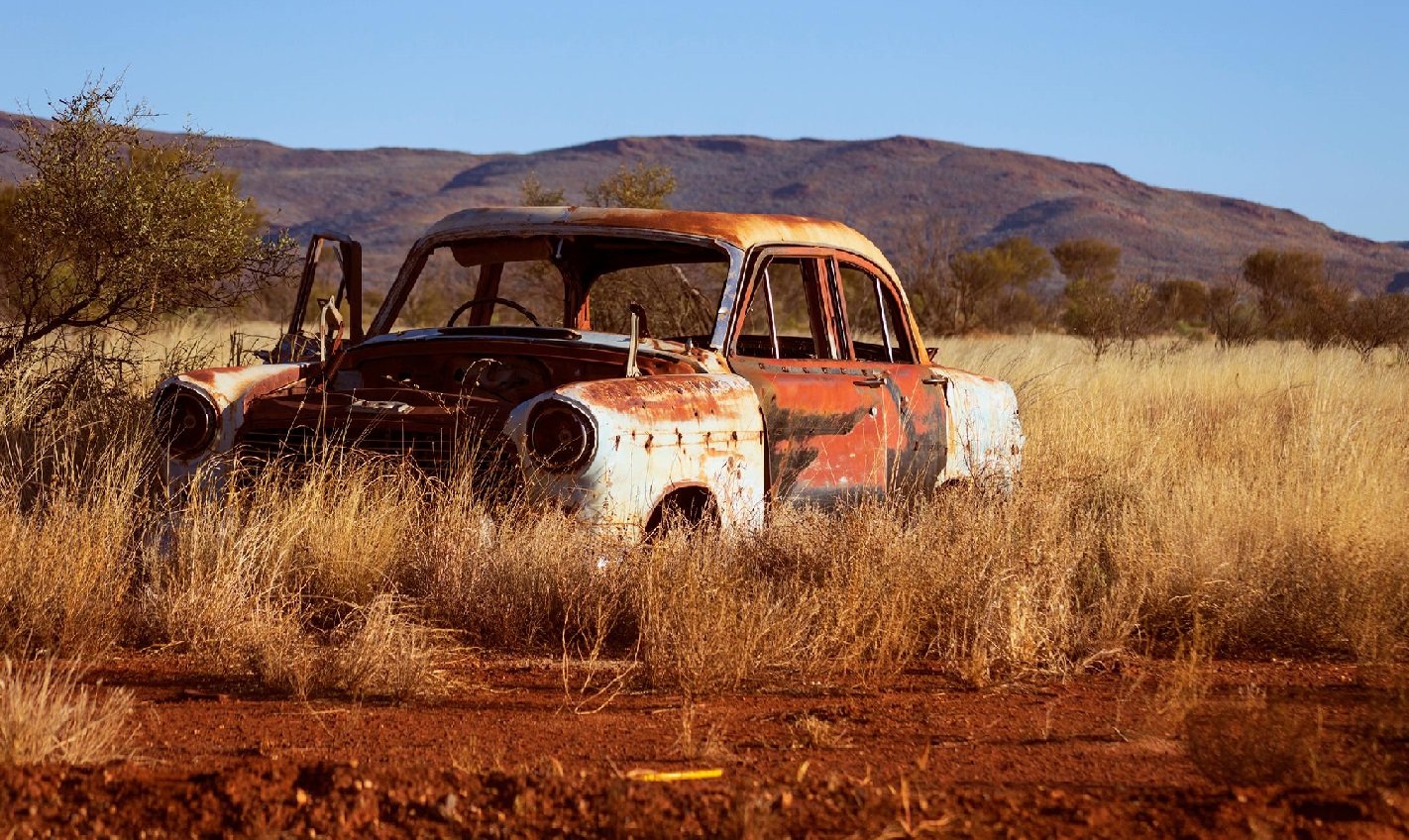
Urban explorers and photographers alike are drawn to abandoned places for their mysterious and intriguing qualities. From decaying buildings to forgotten factories, these locations tell stories of the past and offer a unique canvas for creative expression. One of the key elements to successfully capturing the essence of these abandoned places lies in understanding how to work with lighting. Lighting plays a crucial role in setting the mood and atmosphere of a photograph or documentary featuring abandoned places. Here are some tips for achieving the right lighting when capturing these hauntingly beautiful locations: 1. Natural Light: When possible, try to schedule your visit during the day to take advantage of natural light. Natural light can create dynamic shadows and highlights that add depth and dimension to your photographs. Look for opportunities to capture sunlight streaming through broken windows or casting dramatic shadows on abandoned walls. 2. Golden Hour: The golden hour, which occurs during the hour after sunrise and before sunset, is often considered the best time for photography due to its warm, soft lighting. Abandoned places can take on an ethereal quality during this time, with the low angle of the sun creating long shadows and rich colors. 3. Flashlight Painting: For abandoned places that are dark or lack natural light, consider using a flashlight or handheld light source to paint light onto your subject. This technique allows you to control the direction and intensity of the light, creating dramatic effects and highlighting specific details within the scene. 4. Light Painting: Experiment with light painting techniques to add a creative flair to your abandoned places photographs. By using a long exposure and moving a light source through the frame, you can create surreal streaks of light that enhance the atmosphere of the scene. 5. Contrast and Shadows: Embrace the contrast and shadows present in abandoned places to create visually striking compositions. Use the interplay of light and darkness to draw the viewer's eye to key elements within the scene, such as peeling paint, rusted metal, or intricate architectural details. 6. Editing and Post-Processing: Don't be afraid to enhance your photographs through editing and post-processing to further enhance the lighting effects. Adjusting the exposure, contrast, and saturation can help bring out the mood and texture of the abandoned places you've captured. In conclusion, mastering the art of lighting is essential for creating evocative and compelling photographs and documentaries of abandoned places. By understanding how to work with natural light, experimenting with flashlight and light painting techniques, and leveraging contrast and shadows, you can bring these forgotten locations to life through your lens. So grab your camera, explore those abandoned places, and let the light guide your creative vision. For the latest research, visit https://www.rollerbooks.com
Leave a Comment:
SEARCH
Recent News
- Zurich, Switzerland is a city known for its stunning landscapes, charming streets, and vibrant culture. One of the many delights of visiting Zurich is the opportunity to explore its unique shopping scene. For those looking to add a touch of luxury and warmth to their wardrobe, Zurich is the perfect place to discover exquisite wool stoles.
- Winter in Zurich, Switzerland is a magical time of year when snow-capped mountains, charming Christmas markets, and cozy cafes create a picturesque scene straight out of a fairytale. As the temperatures drop and the city prepares for the festive season, one essential accessory that both locals and visitors alike reach for to stay warm and stylish is a winter stole.
- Zurich, Switzerland: A Haven for Wildlife Conservation
- Zurich, Switzerland, and Vancouver, Canada, are two bustling cities known for their thriving startup scenes. In this blog post, we will take a closer look at some of the top startups making waves in each city.
- Zurich, Switzerland and Vancouver, Canada: A Comparison of Import and Export Opportunities
- Zurich, Switzerland and Vancouver, Canada are two vibrant cities with distinct characteristics that make them stand out in their respective regions. While Zurich is known for its financial prowess and high quality of life, Vancouver is a bustling hub of business and innovation on the west coast of Canada. Let's take a closer look at how these two cities compare in terms of their business environments.
- Zurich, Switzerland and Vancouver, Canada are both vibrant cities known for their strong economies and diverse job markets. In this article, we explore some of the best companies to work for in these two cities, highlighting their unique offerings and what makes them stand out in their respective industries.
- Located in the heart of Switzerland, Zurich is known for its stunning natural beauty, bustling city life, and thriving business environment. The city attracts businesses from all over the world, thanks to its robust infrastructure, highly skilled workforce, and favorable economic policies. For UK businesses looking to expand or set up operations in Zurich, there are a number of government business support programs available to help navigate the process.
READ MORE
7 months ago Category :

Zurich, Switzerland is a city known for its stunning landscapes, charming streets, and vibrant culture. One of the many delights of visiting Zurich is the opportunity to explore its unique shopping scene. For those looking to add a touch of luxury and warmth to their wardrobe, Zurich is the perfect place to discover exquisite wool stoles.
Read More →7 months ago Category :

Winter in Zurich, Switzerland is a magical time of year when snow-capped mountains, charming Christmas markets, and cozy cafes create a picturesque scene straight out of a fairytale. As the temperatures drop and the city prepares for the festive season, one essential accessory that both locals and visitors alike reach for to stay warm and stylish is a winter stole.
Read More →7 months ago Category :

Zurich, Switzerland: A Haven for Wildlife Conservation
Read More →7 months ago Category :
