Exploring Abandoned Places: Navigating the Intersection of Politics, Law, and Regulations
Category : | Sub Category : Posted on 2024-10-05 22:25:23
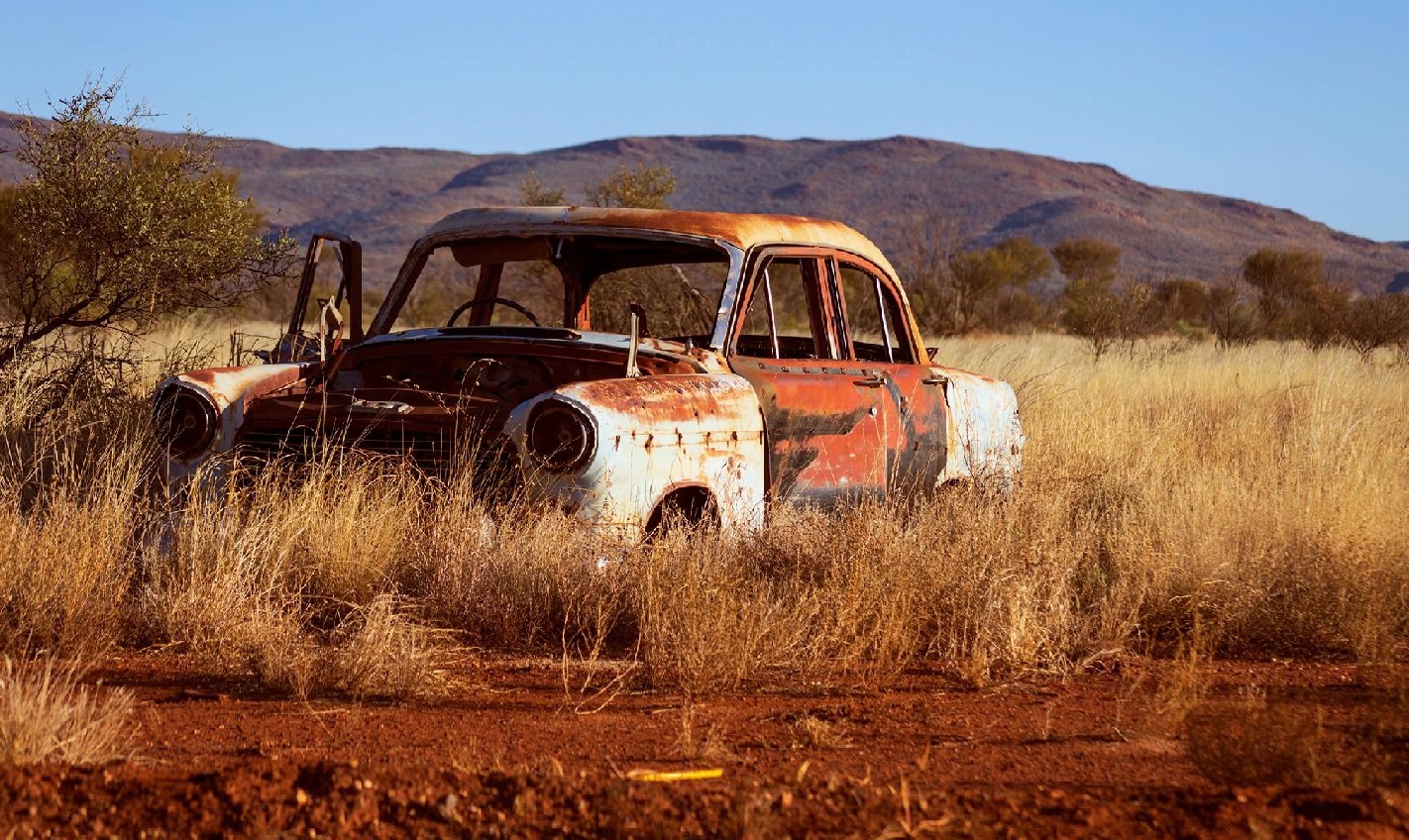
Abandoned places hold a mysterious allure, invoking a sense of curiosity and intrigue in those daring enough to explore their forgotten corners. From crumbling buildings and overgrown structures to deserted towns and derelict factories, these places offer a glimpse into a past that has been left behind. However, delving into abandoned locations is not just about urban exploration and photography - it also raises complex issues related to politics, law, and regulations. The intersection of politics, law, and regulations comes into play when considering the ownership and management of abandoned places. Often, these properties are in a state of legal limbo, with unclear ownership or disputed rights. In some cases, abandoned sites may be owned by private individuals or companies who have neglected their upkeep, leading to questions about responsibility and liability. Local governments also play a role in the oversight of abandoned places, as they are tasked with enforcing zoning laws, building codes, and other regulations that govern the use and maintenance of properties. However, resource constraints and competing priorities may mean that abandoned sites are not always a top priority for municipal authorities, leading to a lack of action to address safety concerns and prevent further deterioration. Furthermore, the political landscape can influence the fate of abandoned places, with decisions about redevelopment, preservation, or demolition often being driven by economic considerations, public opinion, and the agendas of local officials. Preservationists may advocate for the adaptive reuse of abandoned buildings for community benefit, while developers may see these sites as opportunities for profitable real estate ventures. When exploring abandoned places, it is crucial to be aware of the legal and ethical implications of trespassing on private property, as well as the potential safety hazards that these derelict sites may pose. As urban exploration gains popularity as a hobby and artistic pursuit, it is important for enthusiasts to approach abandoned places with respect for their history and context, while also adhering to laws and regulations that safeguard both the properties and the people who visit them. In conclusion, abandoned places offer a fascinating window into the past, but they also raise complex issues at the intersection of politics, law, and regulations. By navigating these challenges thoughtfully and responsibly, we can ensure that these forgotten places are preserved, repurposed, or respectfully documented for future generations to appreciate and learn from. For the latest research, visit https://www.cotidiano.org For additional information, refer to: https://www.topico.net To get a better understanding, go through https://www.enemigo.org
https://vollmacht.org
Leave a Comment:
SEARCH
Recent News
- Zurich, Switzerland is a city known for its stunning landscapes, charming streets, and vibrant culture. One of the many delights of visiting Zurich is the opportunity to explore its unique shopping scene. For those looking to add a touch of luxury and warmth to their wardrobe, Zurich is the perfect place to discover exquisite wool stoles.
- Winter in Zurich, Switzerland is a magical time of year when snow-capped mountains, charming Christmas markets, and cozy cafes create a picturesque scene straight out of a fairytale. As the temperatures drop and the city prepares for the festive season, one essential accessory that both locals and visitors alike reach for to stay warm and stylish is a winter stole.
- Zurich, Switzerland: A Haven for Wildlife Conservation
- Zurich, Switzerland, and Vancouver, Canada, are two bustling cities known for their thriving startup scenes. In this blog post, we will take a closer look at some of the top startups making waves in each city.
- Zurich, Switzerland and Vancouver, Canada: A Comparison of Import and Export Opportunities
- Zurich, Switzerland and Vancouver, Canada are two vibrant cities with distinct characteristics that make them stand out in their respective regions. While Zurich is known for its financial prowess and high quality of life, Vancouver is a bustling hub of business and innovation on the west coast of Canada. Let's take a closer look at how these two cities compare in terms of their business environments.
- Zurich, Switzerland and Vancouver, Canada are both vibrant cities known for their strong economies and diverse job markets. In this article, we explore some of the best companies to work for in these two cities, highlighting their unique offerings and what makes them stand out in their respective industries.
- Located in the heart of Switzerland, Zurich is known for its stunning natural beauty, bustling city life, and thriving business environment. The city attracts businesses from all over the world, thanks to its robust infrastructure, highly skilled workforce, and favorable economic policies. For UK businesses looking to expand or set up operations in Zurich, there are a number of government business support programs available to help navigate the process.
READ MORE
8 months ago Category :

Zurich, Switzerland is a city known for its stunning landscapes, charming streets, and vibrant culture. One of the many delights of visiting Zurich is the opportunity to explore its unique shopping scene. For those looking to add a touch of luxury and warmth to their wardrobe, Zurich is the perfect place to discover exquisite wool stoles.
Read More →8 months ago Category :

Winter in Zurich, Switzerland is a magical time of year when snow-capped mountains, charming Christmas markets, and cozy cafes create a picturesque scene straight out of a fairytale. As the temperatures drop and the city prepares for the festive season, one essential accessory that both locals and visitors alike reach for to stay warm and stylish is a winter stole.
Read More →8 months ago Category :

Zurich, Switzerland: A Haven for Wildlife Conservation
Read More →8 months ago Category :
